
The Silent Nightmare of Trusting a Digital Bank
Picture this: you wake up, pour your morning coffee, open your crypto app, and see a massive red banner screaming "Withdrawals Paused." Your heart sinks. That money? The funds you worked so hard to save? It’s completely out of your reach right now. Millions of people blindly trust digital platforms to hold their wealth, never realizing they are essentially handing over their life savings to absolute strangers. It is time to stop renting space for your money and actually start owning it.
Most people walk around completely unaware that they are holding a ticking time bomb in their pockets. You work incredibly hard for your money, invest it carefully, and then simply leave it sitting on a platform owned by strangers. We assume that because an app looks professional and has millions of users, our money is safe. But the reality behind the scenes is often completely different and heavily mismanaged.
The hardest truth to swallow is that you are essentially paying these platforms to put your money at risk. When things go wrong, their customer support suddenly disappears into thin air. You are left sending desperate emails into a void, hoping someone will give you your hard-earned money back.
But it does not have to be this way. The entire point of this technology was to give you total control and absolute freedom over your own wealth. Let me show you exactly how to stop living in fear and start taking real ownership of your future.
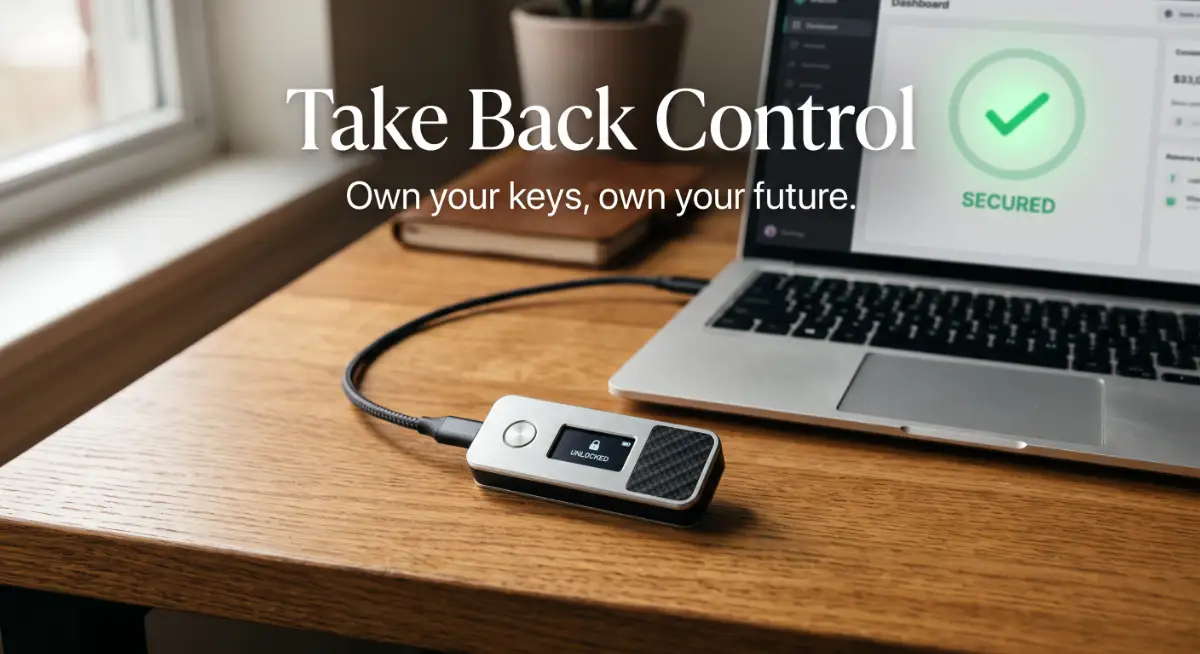
In a Rush? Here is Your Quick Action Plan:
- You Do Not Own It Yet: Money left on an exchange is just a digital IOU. If the company crashes, your money vanishes.
- Grab a Private Vault: Move your funds to a self-custody wallet (hot or cold) where only you hold the keys.
- Guard Your Master Key: Never take a photo of your 12-24 recovery words. Write them down physically and lock them away.
- Test Before You Send: Always send a tiny $5 test transaction before moving your main balance. It saves you from permanent, costly mistakes.
Escaping the Trap: Your Action Plan for True Ownership
We often forget that an exchange is simply a place to buy and sell. It was never designed to be a permanent vault for your life savings. Think of it like a public bus terminal. You might use the terminal to get from one place to another, but you would never leave your most valuable luggage sitting on a bench overnight.
When you leave your funds on these platforms, you are doing exactly that. You are leaving your digital luggage in a public space, hoping the security guard is paying attention. It is time to move your wealth from the public terminal into your own private vault.

Understanding the Big "IOU" Secret
Here is a fact that shocks most beginners. When you buy coins on a centralized platform, you do not actually own those specific coins yet. What you actually own is a digital IOU from the company.
The platform updates a database on their server to show your balance. But behind the scenes, they pool your money together with thousands of other users. If a massive amount of people suddenly decide to withdraw their money at the same time, the platform might not actually have enough funds on hand.
Quick Myth-Buster: Crypto Exchanges Are NOT Banks
- The Myth: If a crypto app goes bankrupt, the government will refund my money, just like my local bank.
- The Reality: Unlike traditional banks (which have FDIC or similar government insurance), most crypto platforms offer zero legal protection. If they go under, your digital coins are used to pay off their massive corporate debts first. You usually get left with absolutely nothing.
This is exactly why withdrawals get frozen during market panics. The company hits the pause button to save themselves, completely ignoring your personal financial needs. You have zero power in this situation, and your money is held hostage.
The Myth of "Too Big to Fail"
Many people think that if an app sponsors sports arenas or has famous celebrities in their commercials, they are perfectly safe. This is one of the most dangerous myths in the entire industry. Big marketing budgets do not equal strong security practices or responsible money management.
Let us look at a quick comparison between leaving your funds online versus taking personal control:
When you look at the facts laid out like this, the choice becomes incredibly clear. You are trading your absolute freedom for a tiny bit of temporary convenience.
My biggest mistake was buying a hardware wallet and leaving it in the box for three months because I thought setting it up was too technical. Once I finally pushed past my fear and plugged it in, the whole process took ten minutes, and the peace of mind I felt was immediate.
Choosing the Right Private Vault
To take your power back, you need to set up your own personal storage. In the digital world, we call these non-custodial wallets. There are two main types you need to know about.
The first type is a hot wallet, which is an app you install directly on your phone or computer. It is entirely free and gives you full control of your keys. However, because it is always connected to the internet, it still carries a small risk if your device gets a virus.
The second and safest option is a cold wallet. This is a physical device that looks a lot like a USB thumb drive. It keeps your digital keys completely offline, meaning a hacker halfway across the world cannot touch your assets even if they try.
If you plan to hold a significant amount of money, a physical cold device is an absolute necessity. It acts as an unbreakable barrier between your wealth and the dangerous online world.
Cost vs. Value Breakdown: Is a Cold Wallet Worth It?
- Average Cost: $50 - $150 (one-time purchase).
- What You Actually Get: Total immunity to online hackers, phishing links, and platform bankruptcies.
- My Rule of Thumb: If you hold more crypto than you can afford to lose if you dropped your physical wallet on the street, you need to buy a cold storage device today. Do not wait for a disaster to happen.
If you are feeling overwhelmed about how to actually move your funds off these platforms, I completely understand. Watching someone else do it first can take away all the anxiety. Check out this incredibly simple, step-by-step visual breakdown that makes the entire withdrawal process an absolute breeze.
The Magic of the Master Key
When you set up your own personal storage, the app or device will generate a secret list of words. This is usually a list of 12 or 24 random English words. This list is the absolute most important part of this entire process.
These words act as your master key. If you ever lose your phone or break your physical device, you simply type these words into a new device. Like magic, all of your money will appear exactly as you left it.
However, with great power comes great responsibility. If someone else finds your secret list of words, they can take all of your money in an instant. There is no customer support hotline to call if you accidentally give your words away.
You must never, under any circumstances, take a photo of these words with your phone. Do not save them in an email draft, and do not put them in a digital notes app. If your phone gets hacked, those words will be the first thing the attackers steal.
The best practice is to write these words down on a thick piece of paper using a high-quality pen. Keep that piece of paper in a fireproof safe or a highly secure location that only you and your trusted family members know about. Some people even stamp their words into solid metal plates so they can survive a house fire.

The Art of the Test Transaction
One of the scariest parts of taking control is sending your money for the very first time. The addresses look like long, confusing strings of random letters and numbers. If you make a mistake and send your money to the wrong address, it is gone forever.
This is why you must always practice the golden rule of digital transfers. Always send a tiny test transaction first. Send just five or ten dollars to your new personal wallet.
Wait a few minutes and confirm that the small amount arrived safely in your new vault. Once you see it sitting there securely, you will feel a massive wave of confidence. Only then should you send the rest of your larger balance.
This simple habit takes an extra five minutes but will save you from catastrophic mistakes. Even experienced experts still use test transactions every single time they move large amounts of money.
The Mental Shift from Renting to Owning
Once your wealth is finally sitting in your own secure vault, something amazing happens to your brain. You experience a profound mental shift. You are no longer renting space from a massive corporation.
You become your own bank. When the news announces that a major platform has gone bankrupt, you will simply sip your coffee and smile. You will know with absolute certainty that your money is safe, offline, and resting securely in your own hands.
This level of financial independence is exactly what we all strive for. It removes the daily anxiety and lets you focus on the things in life that actually matter. You can finally go to sleep at night knowing your family's future is completely protected.
Taking the time to learn these security habits today will pay off for the rest of your life. Do not wait for a crisis to happen before you take action. Start exploring your personal storage options right now, and take the first step toward true financial freedom.
Mastering Advanced Security Strategies for Your Digital Wealth
Taking your money off a public platform is an amazing first step, but the journey to true financial independence does not stop there. Once you hold your own keys, you instantly become your own security guard. To ensure your digital wealth stays completely protected over the long haul, you need to adopt a few pro-level habits.
These advanced strategies might sound a little technical at first, but I promise they are completely manageable. Once you set them up, they run entirely in the background, giving you a quiet sense of absolute confidence. Let us walk through exactly how to build a fortress around your newly secured assets.
The Magic of the Hidden "25th Word"
Most standard recovery phrases consist of 12 or 24 random English words. This list is the master key to your entire vault. But what happens if someone manages to find your secret piece of paper? This is where a highly effective feature called a passphrase comes in to save the day.
Think of a passphrase as an extra, custom word that you personally create and add to the end of your standard list. It can be a completely random string of letters, a memorable sentence, or a unique password. If a thief finds your written list but does not know your custom hidden word, your money remains completely locked and entirely safe.
This simple trick is essentially the digital equivalent of having a secret hidden compartment inside a heavy steel safe. It adds a massive layer of protection against physical theft. Just remember to store this custom word in a separate location from your main list, or simply commit it to your memory.
Spreading the Risk with Multi-Signature Vaults
If you are holding a life-changing amount of money, relying on a single device might start to feel a bit scary. What if a natural disaster destroys your primary backup? For ultimate peace of mind, experts use a system called multi-signature security, often referred to as "multi-sig."
A multi-sig setup is like a bank vault that requires multiple different keys to open. You might set up a vault that requires three separate devices, but you only need two of them to approve a transaction. You can keep one device at your house, put another in a safe deposit box, and leave the third with a trusted family member.
This setup entirely removes the risk of a single point of failure. If one device gets lost, stolen, or broken, your funds are still completely safe. You simply use the remaining two devices to move your money to a new, secure location.
Protecting Your Legacy Through Estate Planning
This is a topic that most people completely ignore until it is far too late. If something unexpected happens to you tomorrow, does your family know how to access your digital wealth? If you take your secrets to the grave, your money will literally sit on the blockchain untouched forever.
You need to proactively protect your assets legally and create a clear succession plan. Do not just leave a confusing list of words for your spouse or children. Write down a simple, step-by-step instruction manual explaining exactly what the device is, where the backup is located, and how to safely turn the assets back into cash.
You can even leave this instruction manual with a trusted estate attorney, keeping the actual backup words in a separate, secure location. This ensures your hard-earned wealth successfully passes on to the people you love the most. The goal is to make the transition as smooth as possible during a difficult time. By following guidelines from the Electronic Frontier Foundation regarding digital inheritance and privacy, you can establish a secure framework for your loved ones.
Organizing Your Digital Security Routine
Good security is not a one-time event; it is a consistent habit. Just like you periodically change the batteries in your smoke detectors, you should routinely check on your digital backups. Once every six months, plug in your physical device just to ensure it still powers on correctly.
During this checkup, make sure the firmware is completely up to date. Manufacturers constantly release small updates to patch new security threats. Ignoring these updates is like leaving the front door of your house unlocked.
You should also physically check your written backup lists. Ensure the paper is not fading and that it has not been damaged by moisture or pests. This small, ten-minute routine checkup guarantees that you are never caught completely off guard in an emergency.

The Hidden Traps That Destroy Digital Wealth
Taking personal responsibility for your money is incredibly empowering, but it also comes with a unique set of dangers. When you no longer have a customer support team to fix your errors, simple mistakes can become instantly fatal. I have seen incredibly smart people lose their entire life savings simply because they fell into completely avoidable traps.
Understanding how hackers operate is your best defense against them. They rarely try to break the complicated math behind the blockchain because it is nearly impossible. Instead, they try to trick your brain and exploit human psychology. Let us explore the most devastating mistakes people make and exactly how you can avoid them.
The Disaster of Digital Convenience
The human brain loves shortcuts, and this is exactly what gets new investors in serious trouble. When a device hands you a list of secret backup words, your immediate instinct might be to grab your phone and snap a quick photo. You might even type the words into a digital notepad or text them to your spouse.
This is the single most dangerous mistake you can possibly make. The moment those words touch any digital device connected to the internet, they are severely compromised. Hackers constantly run automated programs that scan cloud accounts, email drafts, and photo galleries specifically looking for secret phrases.
I strongly advise you to create a strict email management blueprint to keep sensitive financial conversations completely out of your primary inbox. Always write your master key on physical paper with a physical pen. Never let a camera lens or a digital keyboard get anywhere near your backup phrase.
Falling for the "Urgent Support" Illusion
Scammers are absolute masters at creating a false sense of panic. You might suddenly receive a highly professional-looking email claiming that your wallet has been breached and you need to verify your identity immediately. The email will contain a helpful link directing you to a website that looks exactly like a legitimate company.
When you click that link, the fake website will ask you to type in your secret recovery words to "secure" your account. If you type those words, the scammers instantly drain your entire balance. You must understand that a legitimate hardware or software company will never, under any circumstances, ask for your secret words.
These hidden traps are specifically designed to bypass your logical thinking. Always verify information independently and never click links inside unexpected emails. The Federal Trade Commission frequently warns about these exact social engineering tactics, proving that even careful individuals can be caught off guard.
Blindly Signing Dangerous Contracts
As you become more comfortable managing your own funds, you might start interacting with decentralized applications and unique web platforms. To use these services, your wallet will ask you to digitally "sign" a smart contract to approve a transaction. Most people just blindly click the "Approve" button without reading a single word on the screen.
Hackers create malicious contracts that look like simple approvals but actually grant them permission to drain all the specific tokens from your wallet. It is like signing a blank check and handing it to a complete stranger on the street. You should never approve a digital transaction unless you completely understand what permissions you are granting.
Always take an extra thirty seconds to read the fine print on your device's screen before hitting confirm. If a website looks slightly suspicious or promises unrealistic returns, walk away immediately. Your absolute best defense is a healthy dose of skepticism.
Relying on a Flimsy Piece of Paper
Paper is a wonderful, offline medium, but it is also incredibly fragile. It easily burns in a house fire, turns to mush in a flood, and can be accidentally thrown away during spring cleaning. If your physical device breaks and your paper backup is ruined, your money is permanently gone.
This is a devastating reality that many people fail to prepare for. To completely eliminate this risk, you should upgrade your physical backup material. Many experts highly recommend using a metal seed phrase plate.
These are thick pieces of steel or titanium where you physically stamp or engrave your secret words. A metal plate can easily survive a roaring house fire, a severe flood, or the crushing weight of a collapsed building. Investing forty dollars in a piece of steel is a tiny price to pay to ensure your life savings are permanently safe from physical destruction.
Your Blueprint for Complete Financial Peace
We have covered a massive amount of ground together, and I know this world can feel a bit overwhelming at first. But when you break it all down, taking control of your digital wealth is just about forming a few simple, highly disciplined habits. It is about actively rejecting the dangerous illusion of convenience and choosing the path of true ownership.
When you leave your hard-earned money on a public platform, you are essentially gambling with your future. You are crossing your fingers and hoping a group of unknown executives make the right decisions with your wealth. True financial independence means you never have to ask anyone for permission to access your own money.
By taking the time to set up personal storage, managing your physical backups properly, and educating yourself on common scams, you completely change the game. You instantly step out of the danger zone and build a completely unshakeable foundation for your future. You learn to deeply understand the psychology of borrowing money and how true wealth is built on absolute personal control.
Once you take these steps, you will quickly realize that the daily anxiety you used to feel completely melts away. You can finally start truly enjoying your hard-earned cash without the constant fear of sudden bankruptcies or platform freezes. The American Psychological Association notes that financial uncertainty is a leading cause of extreme stress, which is exactly why self-custody feels so incredibly liberating.
I want you to close this page feeling totally empowered, not afraid. The technology to protect yourself is completely available to you right now, and it is easier to use than ever before. Take a deep breath, order a reliable hardware device, and take back control of your financial destiny today.
My personal journey to total self-custody entirely changed how I sleep at night. I no longer wake up in a panic checking exchange prices, because I finally know that my wealth rests firmly and exclusively in my own two hands.
Burning Questions About Protecting Your Digital Assets
Can a centralized platform really take my money legally?
Yes, they actually can. When you agree to their long terms of service, you generally agree that your assets become part of the company's general pool of funds. If the company suddenly files for bankruptcy, you become an unsecured creditor, meaning you are at the very back of the line to get your money back.
What happens if the company that makes my hardware wallet goes out of business?
Your money remains completely safe because your funds live on the blockchain, not inside the physical device. The device merely holds the keys to access your money. If the company disappears, you can simply take your written secret words and type them into a different brand of wallet to access your funds instantly.
Is it safe to keep a small amount of money online just for trading?
Keeping a small percentage of your funds on a public platform for active, daily trading is perfectly fine and highly practical. The major danger comes from using these platforms as long-term savings accounts. A great rule of thumb is to only leave an amount online that you are completely comfortable losing overnight.
How do I know if my written backup words are actually correct?
Most reliable hardware devices come with an internal application that allows you to perform a dry run or a recovery check. This feature lets you type your written words directly into the device to verify they match perfectly. You should always run this quick verification test before you send any large amounts of money to a newly created vault.
Disclaimer: The information provided in this article is strictly for educational and informational purposes only and does not constitute professional financial, legal, or investment advice. Always conduct your own thorough research and consult with a certified financial advisor before making any major financial decisions or moving significant assets.