
The Heavy Burden of the Checkout Line
I remember standing at the bookstore counter with a beautifully illustrated hardcover in my hands, feeling a familiar knot tightening in my stomach. The price tag was not outrageous, yet my mind immediately started calculating how many essential groceries I could buy with that exact amount.
I asked myself if I really needed another physical book, even though reading is my absolute favorite way to unwind after a highly stressful day at work. I ended up putting the book back on the shelf and walking out of the store completely empty-handed.
That night, I did not feel financially smart or incredibly responsible. I just felt utterly miserable and unfairly deprived of a simple joy. This was the exact moment I realized my relationship with money was completely broken and needed an immediate fix.
It is exhausting to live in a constant state of financial anxiety, where every single purchase feels like a crime against your future savings account. We work incredibly hard for our paychecks, pouring our time and energy into our jobs day after day.
Yet, the moment we try to spend a tiny fraction of that hard-earned money on something that brings us genuine happiness, an overwhelming wave of guilt washes over us. This heavy emotional burden completely destroys our mental peace and leaves us feeling trapped.
It makes us question our self-worth and turns the simple act of living into a rigid, joyless mathematical equation. We end up existing just to pay bills and save for an unknown future, completely forgetting that money is simply a tool meant to make our present lives better and much happier.
Rewiring Your Brain for Happy, Guilt-Free Purchases
To fix this deep-rooted problem, we have to change the way we look at our bank accounts and our daily habits. Let us explore some highly practical, psychology-backed steps to help you spend your money on things you love without the heavy burden of regret.
Escaping the Scarcity Mindset Trap
The absolute biggest reason we feel bad about buying things for ourselves is a psychological concept called the scarcity mindset. This is the constant, nagging fear that there will never be enough money, no matter how much you actually have in the bank.
When you operate from a place of scarcity, your brain treats every single dollar spent as a permanent loss rather than a simple exchange of value. You start believing that buying a nice dinner tonight means you will face financial ruin tomorrow.
To break out of this exhausting thought pattern, you need to actively practice an abundance mindset. Remind yourself daily that money is a renewable resource. You have the ability to earn more, save more, and manage it wisely.
When you shift your focus from what you are losing to the value you are gaining, the guilt naturally starts to fade away. You begin to see your purchases as investments in your own happiness and mental well-being.
Creating a Personalized "Joy Budget"
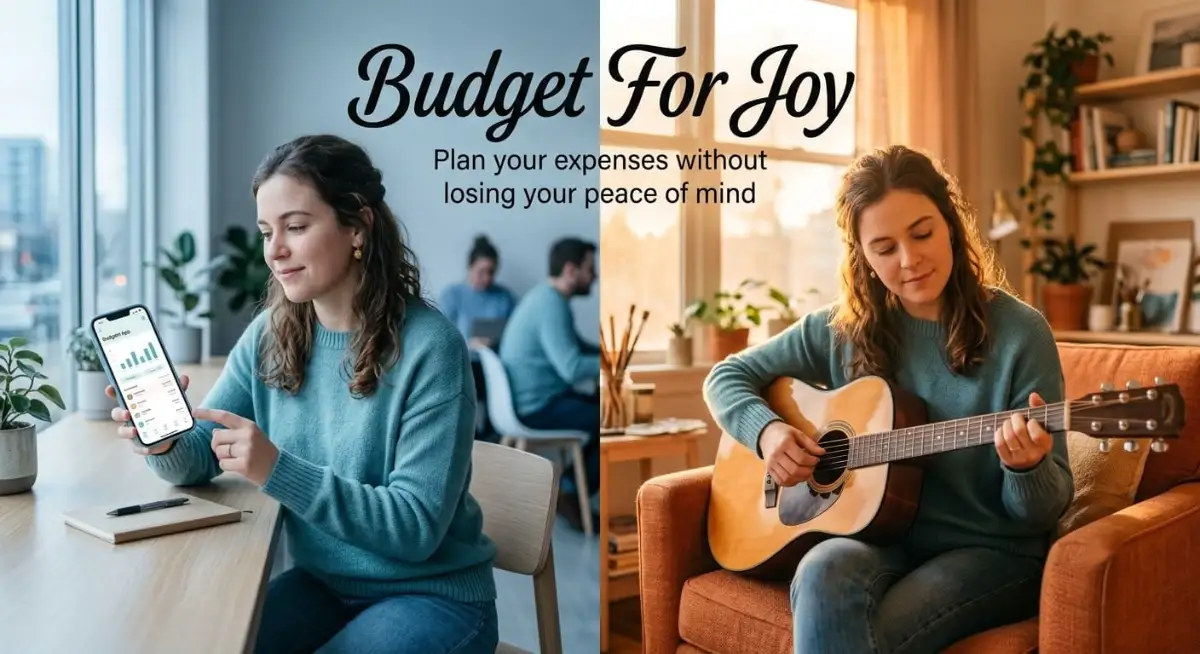
Many people think that budgeting is all about restricting yourself and cutting out all the fun from your life. In reality, a good budget is simply a permission slip to spend your money exactly how you want to.
If you do not plan for fun, you will always feel guilty when you inevitably spend money on it. This is why you need to create a specific category in your monthly budget dedicated entirely to your personal enjoyment.
Pro Tip: I finally stopped feeling bad about my weekend coffee runs when I created a separate bank account just for my personal hobbies. By transferring a small, fixed amount there every payday, I knew that money was already accounted for, and I could spend it completely guilt-free.
When you assign a job to every single dollar, including the dollars meant for fun, you remove the emotional guesswork. You no longer have to wonder if buying a video game is ruining your rent money.
The Difference Between True Joy and Impulse Buying
A major step in spending without regret is learning how to identify what actually brings you lasting happiness. A lot of our spending guilt comes from buying things on impulse that we do not even care about the next day.
Think about the last time you bought something online late at night just because it was on sale. Did it make your life better, or did it just end up sitting in a closet gathering dust?
Understanding Your Spending Triggers
To stop this cycle, you need to understand your emotional spending triggers. Are you buying things because you are sad, bored, or trying to impress people on social media?
When you cut out the mindless impulse purchases, you free up so much cash for the things that truly matter to you. You can confidently spend on a high-quality gym membership or a weekend trip because you know it aligns with your real values.
Watch This Powerful Breakdown on Value-Based Spending
If you are constantly struggling to figure out where your money is going, this incredible breakdown will completely change how you view your monthly expenses.
Designing Your Value-Based Spending Strategy
Value-based spending is an incredibly powerful financial strategy that completely eliminates buyer's remorse. Instead of trying to cut back on everything equally, you spend heavily on the things you love and cut costs mercilessly on the things you do not care about.
For example, let us say you are a massive foodie who loves trying new restaurants, but you could not care less about designer clothes. A value-based spending plan means you happily budget for nice dinners out.
At the same time, you buy your clothes from affordable thrift stores or basic brands without feeling bad about it. You are directing your financial energy toward your authentic passions.
When your spending matches your personal values, the guilt disappears. You are no longer spending blindly; you are making intentional, confident choices that directly improve your quality of life.
Financial Myths vs Reality
Often, our guilt stems from following outdated financial advice that does not fit our modern lives. Let us look at a few common myths that make us feel bad about enjoying our money.
By breaking down these toxic myths, you can start building a financial life that actually feels good to live. You do not have to follow someone else's rigid rules to be good with your money.
The Danger of Financial Burnout
Just like a highly restrictive crash diet almost always leads to binge eating, a highly restrictive budget leads to financial bingeing. If you never allow yourself a small treat, your willpower will eventually snap.
You might go months without buying anything fun, feeling miserable and heavily deprived. Then, one bad day at work pushes you over the edge, and you end up spending hundreds of dollars on things you do not even need.
This creates a terrible cycle of strict restriction, massive spending, and overwhelming shame. The only way to break this cycle is to allow yourself small, consistent joys along the way.
Treating yourself to a movie ticket or a nice lunch is not a failure of your financial plan. It is actually a necessary safety valve that keeps your budget sustainable for the long run.
Automating Your Finances to Buy Peace of Mind
One of the smartest things you can do to stop overthinking your money is to put your savings and bills on autopilot. When you automate your finances, you completely remove the emotional stress of making manual transfers.
Set up your bank accounts so that the moment your paycheck hits, your rent, utilities, and savings are instantly moved to their proper places. You do not even have to look at the money before it goes where it needs to go.
What is left over in your checking account is your safe-to-spend money. Because you already know your responsibilities are fully covered, you can use the remaining cash for your hobbies without a single drop of guilt.
This simple technical trick plays a massive psychological role in your financial confidence. It creates a clear boundary between your necessary adult responsibilities and your personal freedom.
Reframing Your Self-Worth and Money
At the very core of spending guilt is often a deep, hidden belief that we simply do not deserve nice things. We feel like we have not worked hard enough, or that we need to hit a certain milestone before we are allowed to celebrate.
You might tell yourself that you can only buy that new camera once you get a promotion, or you can only take a vacation once you pay off every single penny of your student loans.
While having goals is great, tying your right to happiness to a future financial achievement is incredibly harmful. You are a valuable human being right now, today, just as you are.
You are fully allowed to enjoy your life while you are still working on your bigger goals. Paying off debt and enjoying a weekend hobby are not mutually exclusive; you can successfully do both at the same time.
Implementing the "Cost Per Use" Rule
When you are about to buy something you really enjoy, your brain often panics at the initial price tag. To calm this panic, you should start calculating the actual "cost per use" of the item.
Imagine you want to buy a premium pair of running shoes for 150 dollars. Initially, that feels like a huge amount of money to spend on yourself in one single day.
However, if you run in those shoes three times a week for an entire year, you will use them over 150 times. That means the actual cost is less than one dollar per run.
When you break down the math this way, high-quality purchases suddenly make perfect logical sense. You realize that spending money on items that get heavily used is actually a very smart financial decision.
Building the Habit of Gratitude
Sometimes, we feel guilty because we spend money on something and immediately move on to wanting the next shiny object. We do not take the time to actually appreciate what we just bought.
When you buy something that brings you joy, take a moment to be actively grateful for it. Sit in your comfortable new chair, drink your nice tea, and deeply appreciate the comfort it provides.
When you practice gratitude for your purchases, you maximize the emotional return on your investment. The item continues to bring you happiness long after the initial excitement wears off.
This deep appreciation naturally slows down your desire to buy more random things. You feel completely satisfied with what you have, which automatically keeps your budget incredibly healthy.
Treating Your Money Like a Tool
It is so easy to view money as a harsh judge of our character. We think having a lot of it makes us good, and spending it makes us bad and irresponsible.
In reality, money is completely neutral. It is just a tool, exactly like a hammer or a wrench sitting in a toolbox. You would not feel guilty for using a hammer to build a beautiful bookshelf for your living room.
In the same way, you should never feel guilty for using your money to build a beautiful, enjoyable life. The tool is simply doing exactly what it was always designed to do.
Once you adopt this highly practical mindset, your entire financial world changes. You start telling your money where to go, instead of letting your money dictate how you are allowed to feel.
Small Steps to Start Today
If you have been struggling with this heavy guilt for years, you cannot expect it to magically disappear overnight. You have to take small, intentional steps to retrain your brain.
Start by spending five dollars on something completely unnecessary this week. It could be a fancy pastry, a new pen, or a digital movie rental you have wanted to see.
When you make the purchase, firmly tell yourself out loud that you deserve this small treat. Notice how the world does not end, and your bank account does not suddenly catch on fire.
As you practice this small exercise regularly, your financial confidence will slowly grow. You will soon be able to manage your budget and enjoy your life with total peace of mind.
Leveling Up Your Money Strategy for Long-Term Peace
Once you start changing how you view your everyday purchases, you need a solid system to keep that positive momentum going. Many people find success for a week or two, but they quickly fall back into their old habits of intense money anxiety.
To prevent this from happening, we need to dive into some expert-level strategies that are actually very easy to use. These are the daily habits and mindset shifts that financially confident people use to enjoy their money safely.
The "Delay and Delight" Technique
We often confuse the immediate thrill of buying something with the actual joy of owning it. To make sure you are spending money on things you truly love, try implementing a strict 48-hour waiting period for non-essential purchases.
Let us imagine you are browsing online and find a beautiful designer jacket that catches your eye instantly. Instead of clicking the checkout button right away, simply add it to your cart and close the browser window.
If you wake up two days later and you are still thinking about how perfectly that jacket will fit your style, go ahead and buy it without a second thought. This small pause gives your brain time to separate random emotional impulses from genuine desires.
According to behavioral finance research from the American Psychological Association on money stress, pausing before a purchase significantly reduces feelings of post-spending regret. It puts you completely in control of the transaction, rather than letting your emotions run the show.
Managing the Sneaky "Lifestyle Creep"
As we get older and advance in our careers, we naturally start making a little more money. This is where a very sneaky problem called lifestyle creep comes in, which can quietly destroy your financial peace.
Lifestyle creep happens when your expenses automatically rise to match your new income, leaving you feeling just as broke as you were before. You get a raise, and suddenly you feel you must drive a nicer car or eat at fancier restaurants every night.
To stop this cycle, you need to create a percentage-based rule for any extra money you earn. If you get a pay bump, commit to putting half of that new money toward the easiest way to build an emergency fund fast or other future goals.
You can then use the other half entirely for your personal enjoyment and hobbies. This strategy guarantees your savings continue to grow, while you still get to tangibly feel the reward of your hard work right now.
Creating Weekly "Money Dates"
For most of us, looking at our bank statements feels like a dreaded chore, similar to going to the dentist. We avoid our financial apps because we are scared of what we might see.
You can flip this negative experience by scheduling a relaxing, positive "money date" with yourself once a week. Pick a quiet Sunday morning, brew your favorite cup of coffee, and sit down to review your weekly spending in a completely judgment-free zone.
Instead of scolding yourself for buying lunch on Tuesday, simply notice the pattern and adjust your plan for next week. If you need help getting started, you can find excellent resources on managing personal budgets easily to make this process incredibly smooth.
When you check your numbers regularly in a calm environment, money stops being a scary monster hiding under your bed. It just becomes a regular, boring part of your weekly routine, which is exactly how it should be.
Do's and Don'ts for Healthy Spending
To make this entire process easier to digest, here is a quick breakdown of what you should actively do and what you should avoid when spending your fun money.
Do This:
- Do track your emotional state before buying. Are you shopping because you had a bad day or because the item truly adds value to your life?
- Do celebrate your small financial wins. If you successfully saved up for a new video game, openly celebrate that achievement.
- Do keep your fun money separate. Having a dedicated checking account just for hobbies makes the mental math incredibly easy.
Don't Do This:
- Do not compare your cart to others. Your best friend might value expensive travel, while you value high-quality cooking equipment. Both are completely fine.
- Do not use credit if you cannot pay it off. Using borrowed money to fund your hobbies will completely ruin the joy of the purchase.
- Do not punish yourself for mistakes. If you overspend one month, simply adjust your sails and try again the next month.
Leveraging the Magic of Sinking Funds
If you want to take a bigger trip or buy something fairly expensive, you should definitely use a sinking fund. A sinking fund is just a fancy way of saying you are saving a specific amount of money for a specific goal over a set period of time.
Let us say you want to attend a massive music festival that costs 600 dollars, and it happens six months from now. Instead of scrambling for cash the week before the event, you simply save 100 dollars every month into a separate folder in your banking app.
When the time comes to buy the tickets, you simply transfer the cash and enjoy your weekend. Consumer protection agencies like the Federal Trade Commission often highlight the importance of planning ahead to avoid heavy debt traps.
Sinking funds completely remove the shock factor from your checking account. You get to enjoy expensive experiences without spending months recovering from the financial hit.
The Hidden Traps That Will Ruin Your Progress
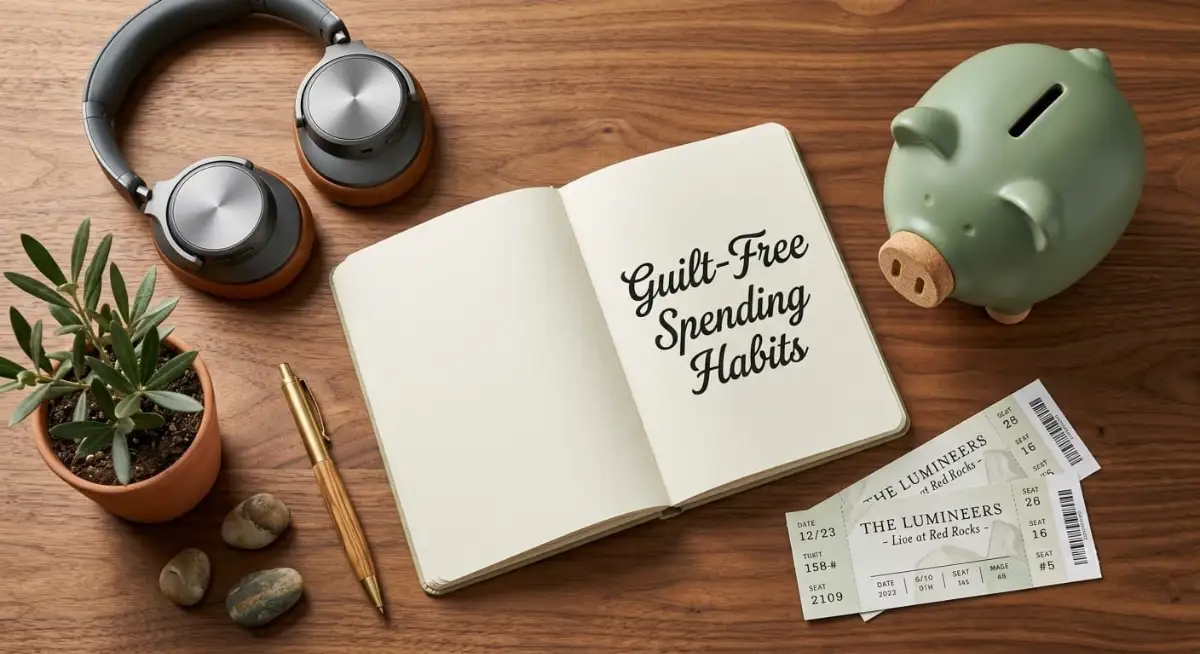
Even with the best intentions, it is very easy to fall into some dangerous emotional traps when trying to fix your money habits. These mistakes will not only drain your bank account, but they will also drag you right back into that miserable cycle of shame.
Let us take a close look at the most common pitfalls people run into so you can easily step around them.
Extreme Frugality and the Rebound Effect
The absolute biggest mistake people make is trying to be perfectly frugal and cutting out every single drop of fun. They cancel all their streaming services, stop going out with friends entirely, and refuse to buy anything except basic groceries.
This extreme restriction is incredibly dangerous because it completely ignores human nature. It is exactly like going on a terribly strict diet where you only eat cabbage soup for two weeks straight.
Eventually, your willpower is going to completely collapse under the immense pressure. When you finally snap, you will likely go on a massive shopping spree that costs ten times more than the small treats you were denying yourself.
This cycle of intense restriction followed by wild financial bingeing destroys your confidence. You have to allow yourself small, controlled leaks in your budget so the entire dam does not randomly burst.
Relying on a Single Source of Comfort
Another major problem is when shopping becomes your only reliable way to deal with emotional stress. If buying new clothes is the only tool you have to comfort yourself after a horrible day at the office, you are setting yourself up for failure.
Your bank account simply cannot keep up with the daily stresses of modern life. You need to build a diverse emotional toolkit that does not constantly require you to swipe a debit card.
Try substituting some of your expensive coping mechanisms with free or low-cost activities. Going for a long walk while listening to a great podcast, calling an old friend, or baking some cookies can provide the same emotional relief.
If you are overly dependent on your main job to fund emotional shopping trips, you might want to read about the hidden dangers of relying on one paycheck to understand how risky this truly is. Diversifying your happiness is just as important as diversifying your income.
Hiding Purchases from Your Partner or Yourself
Financial guilt often leads people to start hiding their spending, which is an incredibly toxic habit. You might start throwing away shopping bags before your partner gets home or intentionally avoid your credit card app so you do not see the final number.
When you hide your spending, you are feeding the shame and making it grow much stronger. You are actively telling your brain that what you are doing is deeply wrong and must be kept in the dark.
This behavior also destroys trust in romantic relationships and creates massive, unnecessary arguments. According to a prominent MIT Sloan study on consumer behavior, hiding financial realities often leads to even more reckless spending down the road.
You have to drag your spending habits out into the bright light of day. Own your choices openly, adjust them if they are hurting you, and stop pretending the numbers do not exist.
Using Debt to Numb the Guilt
One of the strangest psychological tricks our brains play on us is using credit cards to mask the immediate pain of spending money. When you hand over physical cash or watch your checking account balance drop, it hurts your brain.
When you swipe a credit card, that immediate pain is completely delayed until the bill arrives a month later. People often use credit to buy fun things because it does not feel like "real money" in the moment, which temporarily bypasses their spending guilt.
However, this creates a massive disaster down the road when the interest starts piling up. If you are struggling with this cycle, you need to deeply understand the secret psychology behind borrowing money to protect your future self.
Always use money you actually have for your personal hobbies. If you have to borrow money to go to a nice restaurant, you are simply stealing from your future peace of mind.
Letting Other People Dictate Your Values
We constantly let outside voices tell us what a "good" purchase is and what is a "stupid" waste of money. Your parents might think buying video games is completely childish, or your coworkers might judge you for bringing a packed lunch instead of eating out.
If you listen to these outside opinions, you will constantly feel guilty for spending money on the things that actually make you happy. You will end up spending your hard-earned cash just to look normal and acceptable to other people.
You have to build a thick skin when it comes to your personal spending choices. Your money belongs to you, and as long as your bills are paid and you are saving for the future, nobody else's opinion matters.
Stop apologizing for your joys. Own your quirky hobbies, embrace your unique interests, and proudly fund the things that bring a genuine smile to your face.
Stepping Into Your New Financial Freedom
Learning how to spend money without feeling terrible is a massive personal victory that completely changes how you experience daily life. It takes real courage to break away from the constant anxiety that society pushes on us regarding our personal finances.
You are no longer trapped in a mindset where every single dollar is a source of intense stress and worry. Instead, you have built a logical, flexible system that perfectly supports both your future security and your present happiness.
By actively planning for your fun, understanding your emotional triggers, and ignoring toxic financial myths, you have taken full control of your wallet. You now know that taking care of your mental health through enjoyable hobbies is a highly responsible financial move.
Tomorrow morning, you get to wake up and look at your bank account as a tool for creating a beautiful life, rather than a harsh judge of your character. You have successfully balanced the math with the human side of money.
I clearly remember the first time I bought a slightly expensive concert ticket and felt zero regret the next morning. It completely shifted my perspective, proving that our hard work is meant to be enjoyed right now, not just saved for a distant future.
Common Questions About Finding Financial Balance
How do I know if I am spending too much money on myself?
You only need to worry if your fun purchases are actively stopping you from paying your necessary bills or hitting your savings goals. If your rent is paid, your fridge is full, and your emergency fund is growing, your personal spending is completely fine. Keep a simple budget to easily track this boundary.
Should I feel bad buying nice things when I still have student debt?
Absolutely not, because paying off large debt is a long marathon that can take several years to finish. If you completely pause your happiness until you are debt-free, you will quickly become exhausted and miserable. You can easily make regular debt payments while still treating yourself to small joys along the way.
What is a safe percentage of my income to use for fun?
A very popular and effective guideline is the 50/30/20 budgeting rule, which keeps things incredibly simple. You use 50 percent for essential needs, 20 percent for savings or debt, and a full 30 percent strictly for your personal wants and hobbies. You can easily adjust these numbers to fit your unique living situation.
What should I do if my partner constantly judges what I buy?
The easiest fix is to set up separate "fun money" accounts for each of you, where you both get an equal, agreed-upon amount every month. Once the money is in your personal account, your partner has zero say in how you choose to spend it. This simple system completely stops arguments and gives you both total freedom.
Disclaimer: The information provided in this blog post is for educational and informational purposes only and does not constitute professional financial advice. Always consult with a certified financial planner or advisor regarding your specific financial situation before making major money decisions.
![The Secret Cost of Traditional Savings Accounts[Avoid These Traps]](https://fintiq24.com/storage/uploads/blogs/1785486187_the-secret-cost-of-traditional-savings-accountsavoid-these-traps.webp)
![5 Secret Money Habits as Your Salary Increases[Keep Your Money]](https://fintiq24.com/storage/uploads/blogs/1785406852_5-secret-money-habits-as-your-salary-increaseskeep-your-money.webp)
![The Secret Psychology of Borrowing Money[Step-by-Step]](https://fintiq24.com/storage/uploads/blogs/1785355747_the-secret-psychology-of-borrowing-moneystep-by-step.webp)