The Day My Dream Home Turned Into a Financial Nightmare
Quick Summary: What You Need to Know
- Skipping an inspection leaves you 100% financially responsible for all hidden damage.
- Fresh paint and new flooring are often used by house flippers to hide dangerous plumbing and electrical issues.
- You can still negotiate an "Information-Only" inspection to stay competitive in a hot market without giving up your safety.
- A basic $400 inspection can easily save you from a $30,000 foundation or roofing nightmare.
You finally found it. The house with the perfect backyard, beautiful big windows, and zero bidding war competition—except for one major catch. The seller wants you to skip the home inspection. I have seen plenty of buyers fall for this exact trap, thinking they are just saving a little time and skipping some boring paperwork. But what happens when that "perfect" newly painted house hides a rotting roof or a totally cracked foundation? Let's talk about why you should never buy a property completely blind and what you actually stand to lose.
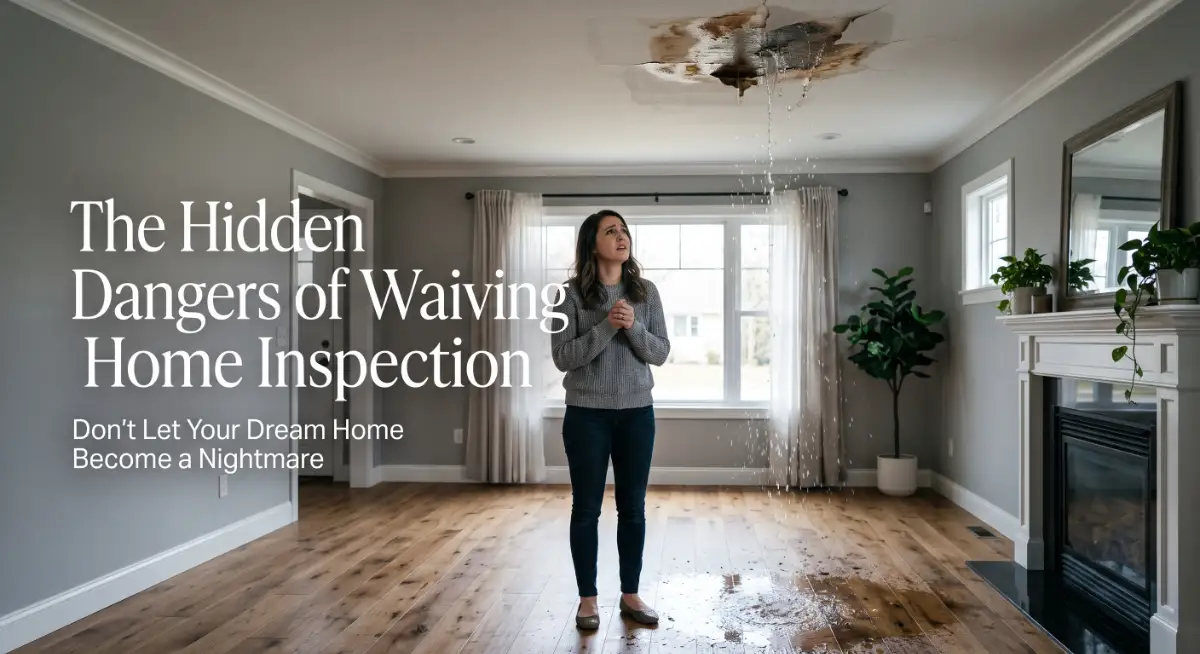
That single decision became the biggest financial mistake of my entire life. Just three weeks after moving in, a heavy rainstorm hit our neighborhood, and my perfect living room ceiling started leaking like a broken faucet. The water poured down, ruining my expensive furniture and pooling on those beautiful hardwood floors. Panic set in as I rushed around with buckets, realizing that I had bought a house completely blind.
When the roofing contractor finally arrived the next morning, he did not bring good news. He looked at me with absolute pity and explained that the roof had been rotting for over a decade. The previous owners had simply painted over the water stains on the ceiling just days before putting the property on the market. Because I skipped the inspection to make my offer look stronger, I was now legally responsible for a massive repair bill that completely wiped out my savings account.
My heart sank into my stomach when I saw the estimate. I spent night after night tossing and turning, feeling physically sick about the thousands of dollars I was losing. My safe haven, the place where I was supposed to build memories, had instantly transformed into a massive source of anxiety. I felt entirely trapped under the weight of a mortgage and endless repair costs.
But you completely forget that a house is a complex physical structure holding dangerous secrets behind its drywall. Without a trained professional looking closely at the bones of the property, you are basically playing Russian roulette with your life savings.
Exposing the Expensive Secrets Hiding Behind Fresh Paint
You might think that saving a few hundred dollars on an inspection fee is a smart move when money is already tight. You might also believe that your eyes are sharp enough to spot any major red flags during a simple 15-minute walkthrough.
This is exactly how innocent buyers end up purchasing properties that are slowly falling apart from the inside. A house is basically a living, breathing system of interconnected parts. When one system fails, it causes a chain reaction of destruction that is rarely visible to an untrained eye. We need to look closely at the exact physical and scientific disasters you invite into your life when you skip this essential step.
The Foundation Trap: When the Ground Shifts Beneath You
Let us start at the very bottom of the house, which is literally the most expensive thing to fix. A solid foundation is the entire basis of a safe and secure home. But foundations are constantly fighting against powerful forces of nature, like soil expansion and water pressure.
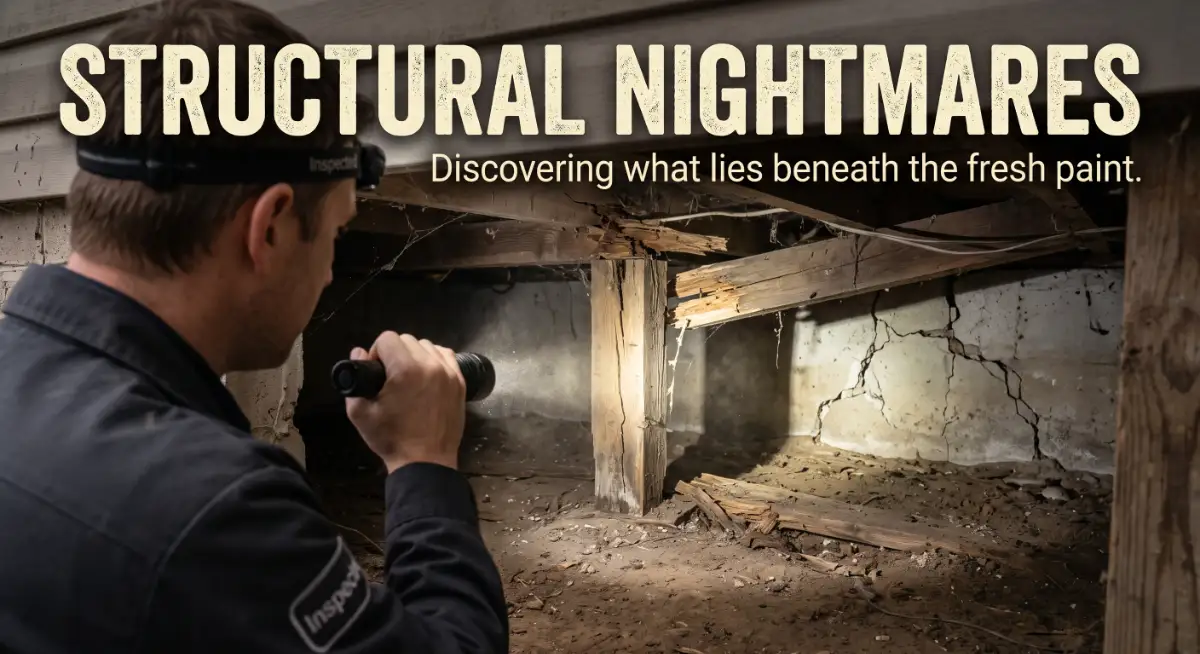
When it rains, the soil around a house absorbs water and expands, pushing massive amounts of pressure against the concrete foundation walls. This scientific process is known as hydrostatic pressure. If the drainage systems around the property are failing, this pressure will eventually crack the solid concrete like an eggshell.
You will not notice these tiny cracks from the outside, especially if the seller has planted beautiful shrubs to hide them. But a professional inspector will crawl into the dark, dirty spaces under the house to look for these exact stress fractures.
If you buy a house with a compromised foundation, the structural integrity of the entire building is at risk. Doors will stop closing properly, windows will jam, and the floors will start to slope. Fixing a major foundation issue can easily cost you tens of thousands of dollars, completely ruining your budget.
The Real Cost: Inspection Fee vs. Foundation Repairs
The Invisible Invaders: Toxic Spores and Silent Pests
Another massive risk of skipping a professional evaluation is the unseen presence of biological hazards. You walk through a brightly lit bedroom and smell the sweet scent of a vanilla candle left by the seller. What you do not realize is that the candle is working overtime to mask the damp, earthy smell of toxic black mold growing inside the walls.
Mold only needs two things to thrive: moisture and organic material like wood or drywall. A slow, hidden plumbing leak inside a wall cavity creates the perfect scientific environment for dangerous spores to multiply rapidly. Breathing in these spores every single day can cause severe respiratory issues, allergic reactions, and chronic fatigue for your entire family.
Then you have the silent destroyers, like termites and carpenter ants. These tiny insects work around the clock, eating away at the wooden bones of your house. They do not care about your beautiful granite countertops.
They only care about the soft, damp wood in your attic and crawlspaces. By the time you actually see a termite crawling across your living room floor, the structural damage behind the walls is already catastrophic.
I learned the hard way that you can never trust your nose or your eyes when walking through a staged property. Always hire a professional who uses moisture meters and thermal imaging to find the secrets that a seller's vanilla candle is trying to hide.
Faulty Wiring: The Silent Fire Hazard in Your Walls
We completely take electricity for granted until something goes horribly wrong. You flip a switch, and the lights come on, so you assume the electrical system is perfectly fine. But the reality of old or improperly updated wiring is absolutely terrifying.
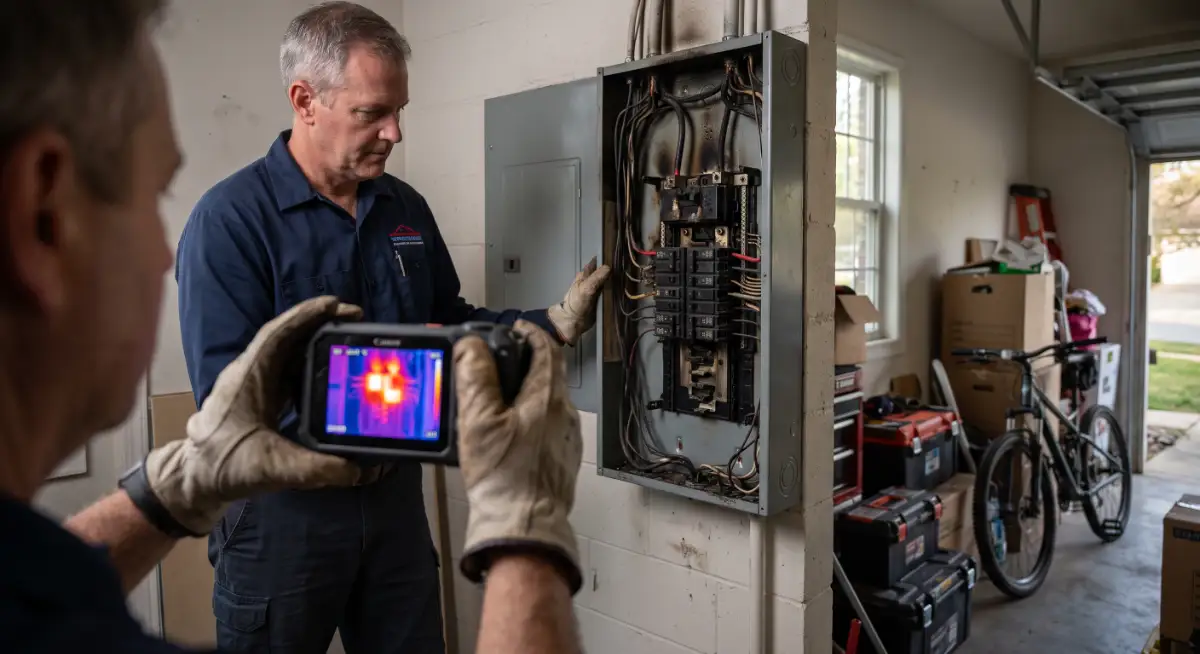
Many homeowners try to save money by doing their own electrical work without any formal training. They splice wires together improperly, overload circuits, or use the wrong size breakers in the main electrical panel. These amateur mistakes create massive amounts of heat inside the walls due to electrical resistance.
Over time, this trapped heat melts the plastic insulation surrounding the wires. Once the bare copper wires touch each other or a piece of wood, a violent spark is created. This is exactly how devastating house fires start in the middle of the night while everyone is sleeping.
An inspector will actually remove the cover of the electrical panel to look for these dangerous amateur mistakes. They check for scorch marks, double-tapped breakers, and outdated wiring materials like aluminum. Waiving this check means you are willingly moving your family into a potential fire hazard.
Here is exactly why you need to stop letting your emotions control your purchasing decisions:
Plumbing Disasters Just Waiting to Burst Under Pressure
Water is easily the most destructive force that can attack a house from the inside out. Your plumbing system is a highly pressurized network of pipes carrying gallons of water throughout the property every single minute. If just one small connection fails, the results are completely devastating.
Many older homes have outdated plumbing materials that are known to fail catastrophically. For example, some properties still have cast iron drain pipes buried under the concrete slab. Over decades, acidic waste and water slowly eat away at the heavy iron until the bottom of the pipe completely rots out.
When this happens, raw sewage starts backing up into the bathtubs and sinks. The only way to fix a collapsed cast iron pipe is to use jackhammers to break open the concrete floors inside your house. You will have to move out of the property for weeks while contractors destroy your floors to replace the pipes.
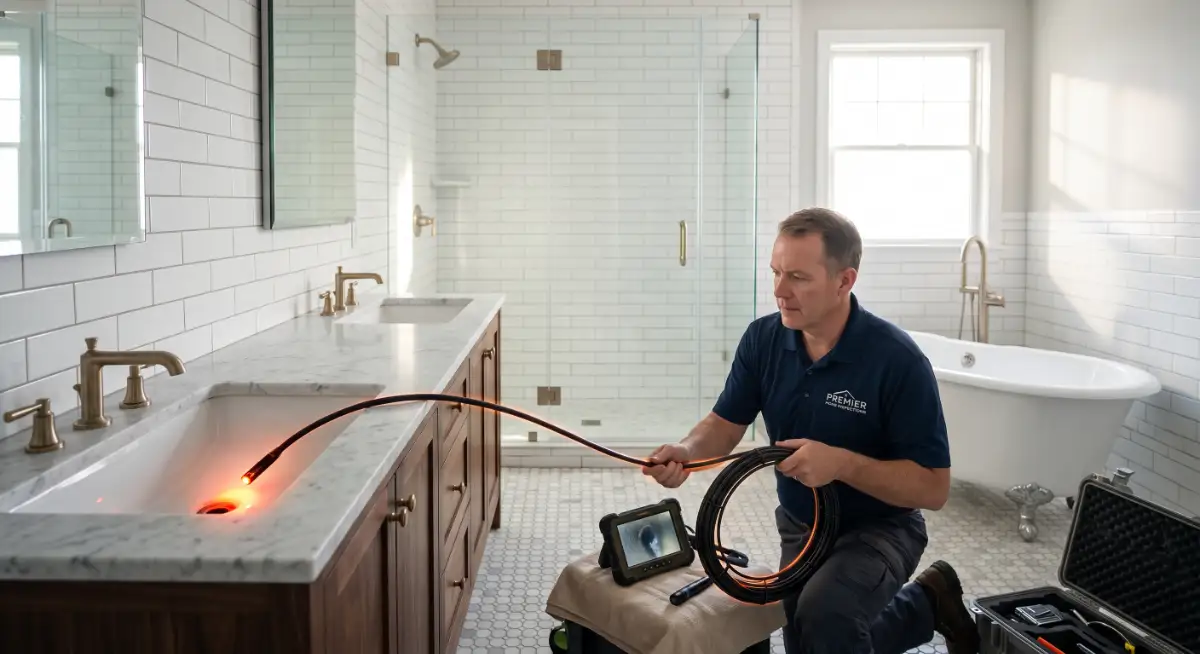
A thorough plumbing check includes running water in every single sink, flushing every toilet, and looking for tiny leaks under the cabinets. They also use specialized cameras to look deep inside the main sewer lines. Skipping this step leaves you entirely exposed to massive water damage and raw sewage nightmares.
Heating and Cooling: The Expensive Breath of the House
Your HVAC system is the lungs of your property, keeping you warm in the winter and cool in the summer. These systems are incredibly expensive to replace, often costing as much as a used car. Buyers rarely think about the condition of the air conditioner when they are looking at pretty kitchen cabinets.
An HVAC system requires regular, professional maintenance to operate efficiently. If the previous owners ignored changing the filters or servicing the motor, the internal parts are grinding against each other. The system is working twice as hard to push air through clogged, dirty ducts.
This extreme mechanical stress drastically shortens the lifespan of the equipment. An inspector will test the temperature output, check the heat exchanger for dangerous carbon monoxide leaks, and evaluate the age of the compressor. If you buy a house with a dying furnace, you will be left freezing in your living room the moment winter arrives.
Inspector's HVAC Checklist: What I Actually Look For
- Carbon Monoxide Leaks: Testing the heat exchanger for deadly, invisible gas that you cannot smell.
- Ductwork Integrity: Making sure your expensive hot air is not blowing straight out into the attic.
- System Lifespan: Checking the exact age of the compressor so you know if you need to buy a new one next year.
Why the "Information-Only" Strategy is a Smarter Move
If you are trying to buy a house in a crazy market, you might feel extreme pressure from your agent to drop all your contingencies. Sellers obviously love offers that come with zero strings attached. They want a fast, easy transaction without having to negotiate over broken windows or leaky pipes.
But you do not have to completely surrender your safety just to get your offer accepted. A highly practical alternative is to do an "Information-Only" or "Pass/Fail" inspection. This powerful strategy tells the seller that you still plan to bring in a professional to look at the property.
However, you promise in writing that you will not ask the seller to fix any minor issues or reduce the purchase price. You are simply reserving your right to walk away from the deal if the inspector finds something completely catastrophic, like a failing foundation or a destroyed roof.
This strategy makes your offer look very strong to the seller because they know they will not be nickeled and dimed over tiny repairs. At the same time, it perfectly protects your life savings from massive structural failures. You get the peace of mind knowing the true condition of the house, and the seller gets a smooth transaction.
Myth vs. Reality: The Truth About Buying Properties
The False Security of Newly Built Properties
There is a huge misconception that brand-new houses are entirely flawless. Buyers walk into a beautiful model home and assume that the builders did a perfect job. They think that because the local city government signed off on the permits, the house is guaranteed to be safe and structurally sound.
This could not be further from the truth. The construction industry is often dealing with severe labor shortages and tight deadlines. Subcontractors are rushing to finish jobs quickly so they can move on to the next site. This rushed environment leads to massive oversights and lazy mistakes.
Inspectors frequently find completely disconnected ductwork in the attics of newly built houses. They find missing insulation, incorrectly wired electrical panels, and improperly graded soil that pushes water directly toward the foundation. The city inspector only spends a few minutes on the site looking for basic code compliance, not quality control.
Always hire a private, independent professional to check a new construction before you sign the final paperwork. It is your only defense against sloppy workmanship that will slowly destroy the property over the next few years.
Protecting Your Mental Health and Peace of Mind
When you move into a new place and immediately start finding hidden damage, the feeling of buyer's remorse is incredibly heavy. You start second-guessing every decision you make. The constant worry about what might break next will literally keep you awake at night.
You will find yourself listening to every creak of the floorboards and checking the ceilings every time it rains. Your beautiful new house becomes a constant source of fear and financial dread. This severe mental stress affects your work, your relationships, and your overall happiness.
By simply paying a few hundred dollars for a detailed report, you are buying ultimate peace of mind. Even if the report finds a long list of problems, you now have the power of knowledge. You can plan for future repairs, budget your money appropriately, or simply walk away from a bad investment before it ruins your life.
Next-Level Strategies for Navigating a Crazy Housing Market
Winning a bidding war does not mean you have to surrender all your common sense at the front door. There are incredibly smart ways to stay highly competitive without completely risking your financial future. You just need to change how you approach the property evaluation process.
One of my absolute favorite strategies is the "walk-and-talk" pre-inspection. If you are touring a house that you know will get multiple offers, you can actually pay a licensed professional to walk through the property with you during your showing. They will not write up a massive 50-page report, but they will visually scan the major systems for obvious signs of failure.
This quick physical check allows you to make an aggressive offer with absolute confidence. You already know the roof is solid and the foundation is intact. This is a brilliant way to protect your assets legally before you ever sign a binding contract.
Another major secret is to never rely entirely on a standard general inspection. A general inspector is basically like a family doctor who checks your overall health. If they see something highly suspicious, they will recommend that you see a specialist for a deeper look.
For example, a standard check rarely includes a detailed sewer scope. I always tell buyers to spend the extra money to send a tiny camera down the main sewer line. Tree roots love to break into old underground pipes, and replacing a main sewer line will easily destroy your savings in a matter of days.
You also need to think about invisible environmental hazards that are highly specific to your local area. Radon gas is a silent, odorless killer that naturally seeps up from the ground and gets trapped inside tight basements. According to the United States Environmental Protection Agency (EPA), long-term exposure to high levels of radon is a leading cause of severe respiratory illnesses.
Testing for radon is incredibly cheap, but fixing a severe radon problem after you buy the house will cost thousands of dollars in specialized mitigation systems. Always demand specialized testing if the property relies on well water or has a private septic tank. These off-grid systems are wildly expensive to replace and are almost never covered by standard homeowner insurance policies.
Finally, you have to learn how to properly read the massive document your inspector hands you. These reports are incredibly long and filled with scary-sounding terms, but you should not panic. Every single house on the planet has flaws, even a brand-new build.
Your goal is not to force the seller to fix a loose doorknob or a squeaky floorboard. You are specifically looking for major structural failures, active water leaks, and severe electrical hazards. Focus your mental energy entirely on the "big ticket" items that would force you to drain your emergency fund fast right after moving in.

The Most Expensive Pitfalls Careless Buyers Fall Into
When people let the intense fear of missing out take over their brains, they start making incredibly dangerous assumptions. One of the biggest mistakes I see buyers make is blindly trusting the seller's property disclosure statement. You read a piece of paper where the seller claims the house has never had a single leak, and you simply believe them.
The harsh reality is that sellers suffer from extreme convenience amnesia when they are trying to maximize their profit. They somehow forget about the basement flooding three springs ago, or they genuinely do not know what is happening inside their own walls. A legal disclosure is only based on what the seller actually knows, and most homeowners are entirely clueless about the physical mechanics of their property.
Another massive trap is confusing a bank appraisal with a physical property check. A lot of first-time buyers think that because the bank sent someone out to value the house, the structure must be completely safe. This is a wildly incorrect assumption that leaves thousands of buyers deeply in debt.
An appraiser is only looking at the house to make sure it is worth the amount of money you are borrowing. They look at the number of bedrooms, the square footage, and the recent sales in the neighborhood. They do not crawl under the floorboards with a flashlight to look for active termite infestations or rotting support beams.
If you rely on the bank's paperwork to guarantee your safety, you will quickly find yourself needing to learn the secret psychology of borrowing money just to afford the massive repair bills.
The "Handy Relative" Disaster
Perhaps the most common pitfall is bringing a family member to look at the house instead of hiring a certified professional. We all have that one uncle or father-in-law who is really good at fixing drywall or changing out ceiling fans. You bring them along to the showing, they tap on a few walls, and they proudly declare that the house has "good bones."
This false sense of security is incredibly dangerous. Your handy relative does not carry thousands of dollars worth of specialized diagnostic equipment like thermal imaging cameras or professional moisture meters. They also do not carry professional liability insurance if they miss a major defect that ends up causing a catastrophic fire.
Professional associations like the International Association of Certified Home Inspectors (InterNACHI) require their members to undergo rigorous, ongoing training to spot hidden defects that normal people miss. When you skip hiring a licensed expert, you are gambling your life savings on an amateur guess.
Falling for the "Flipped House" Illusion
You also have to be incredibly careful when looking at properties that have been recently renovated by an investor. House flipping is a massive industry, and the goal is always to maximize profit by keeping renovation costs as low as possible. These properties look absolutely stunning in photographs because they are packed with trendy gray flooring and bright quartz countertops.
But behind that fresh, pretty drywall is often a completely different story. Many careless flippers will simply cover up active water damage, dangerous old wiring, and rotting wood instead of actually fixing the root problem. They prioritize the cosmetic look over the actual structural safety of the building.
When you buy a flipped house without looking closely under the hood, you might end up in a massive legal battle with the seller. If that happens, you will definitely need to seek expert advice before your first mediation session to try and recover your stolen money. Always hire an expert to look past the beautiful staging and verify the true quality of the recent workmanship.
Your Action Plan for a Secure and Happy Purchase
Buying real estate should be an exciting journey that helps you build long-term generational wealth. It should never be a terrifying gamble that ruins your mental health and drains your bank accounts. You have worked incredibly hard to save for a down payment, and you absolutely deserve to know exactly what you are buying.
You need to view the evaluation fee as the cheapest, most effective insurance policy you will ever purchase. A few hundred dollars spent today can easily save you tens of thousands of dollars tomorrow. It gives you the incredible power to negotiate repairs, ask for a massive price reduction, or simply walk away from a terrible financial trap.
Do not let a pushy real estate agent or a greedy seller force you into making a blind decision. If a seller is actively demanding that you drop your right to investigate the property, that is a massive red flag waving right in your face. They are almost certainly trying to hide something very expensive, and you need to run in the opposite direction.
You should absolutely take the time to learn smart financial habits so you can handle unexpected homeowner expenses. By finding secrets to enjoying your hard-earned cash without feeling guilty, you will build a solid financial foundation for your new chapter in life. Real estate is only a good investment if you protect your money from the very beginning.
Look for ways to take control of your financial destiny by managing your assets wisely. The more personal financial insights you gather, the more confident you will become when navigating tricky housing markets. Education is always your strongest shield against bad deals.
According to resources provided by the Department of Housing and Urban Development (HUD), buyers who take the time to fully understand a property's physical condition are significantly less likely to face foreclosure down the road. Knowledge gives you the absolute power to walk away from a money pit.
I know exactly how tempting it is to just sign the papers and get the keys to that beautiful house. But my biggest advice is to take a deep breath, step back from the emotional high, and let a licensed professional tell you the actual truth about the property. I promise you that the peace of mind you get from a clean report is worth infinitely more than winning a rushed bidding war.
Common Questions About Property Evaluations
Can I still get an inspection if I already bought the house?
Yes, you absolutely can and should hire a professional to evaluate your property even after you move in. While you can no longer ask the seller to pay for the repairs, discovering hidden issues early allows you to fix small leaks before they turn into massive structural disasters.
What exactly causes a house to "fail" this process?
A house never actually passes or fails a physical evaluation because it is simply an informational report on the condition of the property. However, buyers often walk away if the report reveals major safety hazards, severe foundation cracks, or an aging roof that requires immediate replacement.
Who is supposed to pay the professional evaluator?
The buyer is almost always responsible for paying the fee directly to the inspector on the day of the service. This actually works entirely in your favor because the expert works exclusively for you, ensuring they have your best financial interests in mind, not the seller's.
How long does a typical property check take?
For an average single-family home, a thorough physical examination usually takes anywhere from two to four hours. The expert needs enough time to crawl through the attic, test the electrical panel, run the plumbing systems, and carefully document every single finding with photographs.
Do I really need to be there while they check the house?
I highly recommend that you attend at least the final hour of the appointment so the expert can walk you through the property. Seeing the physical defects with your own eyes and asking questions makes the massive written report much easier to understand later on.
Disclaimer: The information provided in this article is for educational and informational purposes only and should not be construed as professional real estate, legal, or financial advice. Buying a home involves significant financial risk, and property laws vary heavily by location. Always consult with a licensed real estate attorney, a certified home inspector, and a qualified financial advisor before making any major purchasing decisions.

![Secret Mortgage Pre-Approval Rules the Banks Never Tell You[Step-by-Step]](https://fintiq24.com/storage/uploads/blogs/1788379410_secret-mortgage-pre-approval-rules-the-banks-never-tell-youstep-by-step.webp)
![Proven Strategies to Master Property Zoning Rules [The Easy Way]](https://fintiq24.com/storage/uploads/blogs/1788036354_proven-strategies-to-master-property-zoning-rules-the-easy-way.webp)