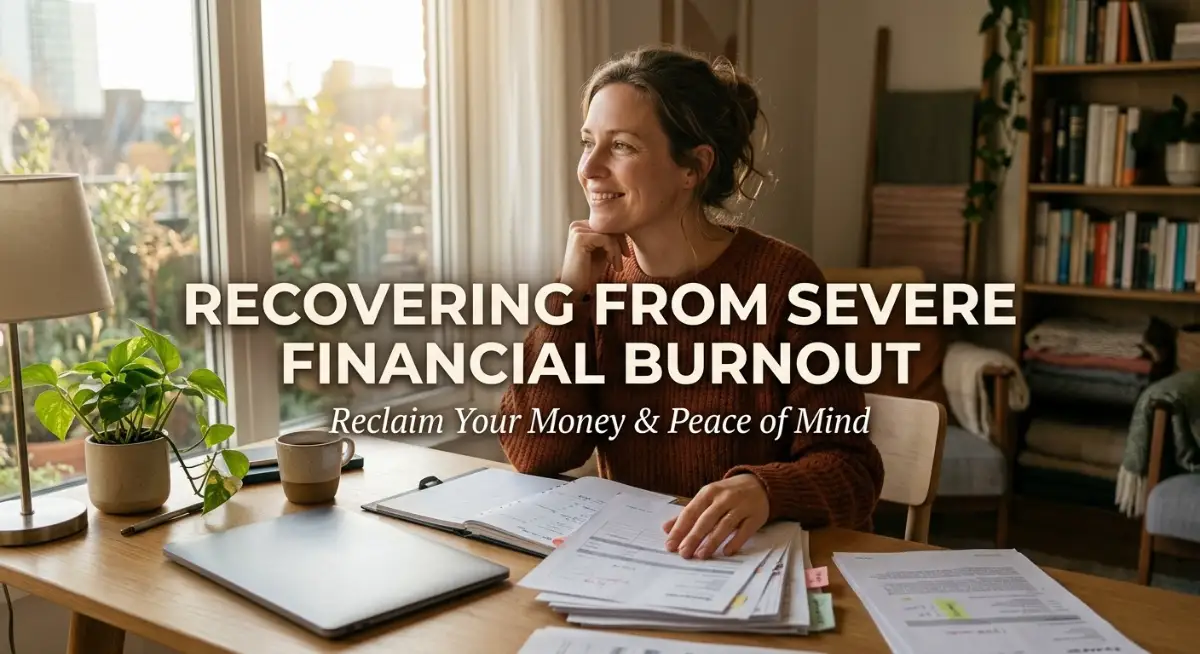
Waking Up to the Heavy Weight of Empty Pockets
Your Quick Rescue Guide (Don't Skip This!)
- Restriction leads to bingeing: Cutting out every single fun expense practically guarantees you will eventually go on a massive spending spree.
- Guilt is a warning sign: If you feel bad spending money you already planned to spend, your money mindset needs a serious reset.
- Automation cures fatigue: Put your bills and savings on autopilot so you do not have to make twenty exhausting money decisions every payday.
- Perfect is the enemy of good: A slightly messy budget that you actually stick to is a hundred times better than a perfect spreadsheet you abandon after two weeks.
Real Talk: "How do I stop feeling deprived?"
The Fix: You need an automated "Fun Money" category, and honestly, it is non-negotiable. I always suggest taking 5% to 10% of your paycheck and sending it to a totally separate checking account the day you get paid. This is your guilt-free spending cash. Buy the expensive skincare, get the video game, or order takeout. Once the money is in that account, you don't have to track it, and more importantly, you don't have to feel bad about spending it.
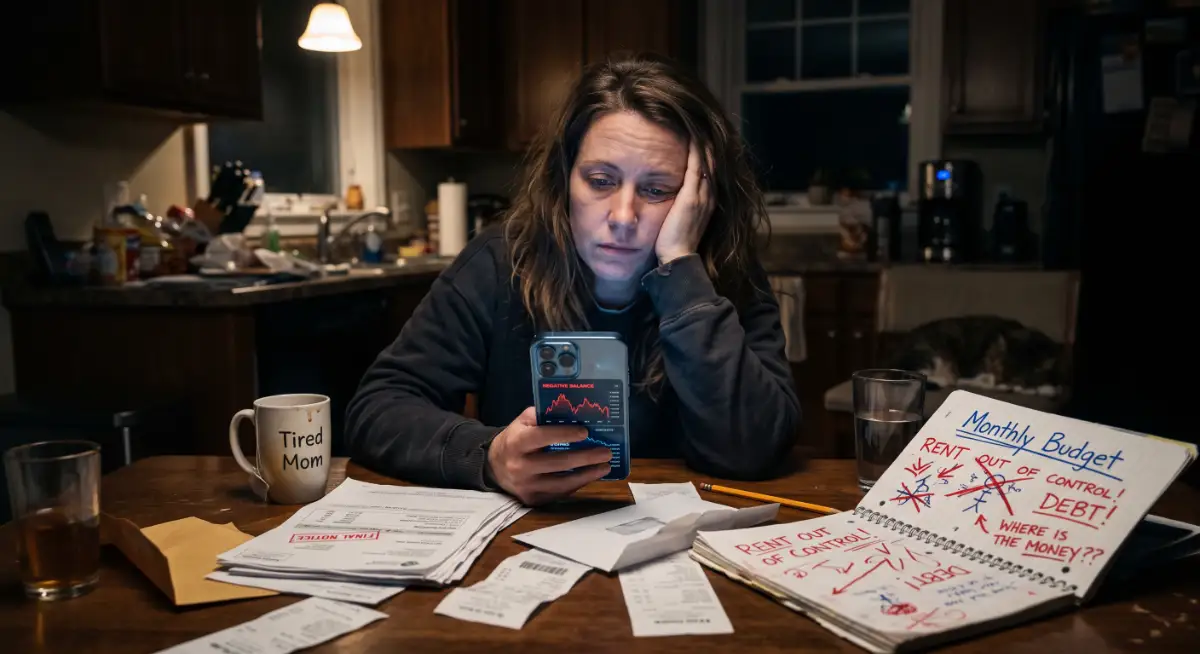
You know that feeling when you just can't look at your banking app anymore? I have been there. You start out super motivated, tracking every single penny, and suddenly, three months later, you just want to throw your whole budget out the window. If you are feeling completely exhausted by your own money rules, you aren't failing—you are just burning out. Let's look at the obvious signs and fix your strategy so you can actually enjoy your hard-earned cash again.
It was not just about lacking money at that moment. I was completely and utterly exhausted by the endless cycle of trying to survive from one paycheck to the next. I realized right then that my mind and body were shutting down from the sheer stress of it all. I was snapping at my friends, losing sleep, and feeling guilty every time I bought a simple cup of coffee.
The 30-Second Burnout Test
Ask yourself these three questions right now:
- Do I feel highly anxious buying a $4 coffee, even when I have the extra cash?
- Am I secretly hiding small online purchases from my partner (or ignoring them myself)?
- Have I totally stopped checking my bank balance because it gives me a headache?
- If you said yes to any of these, your current budget is acting like a cage, not a tool. We need to loosen the grip immediately.
This invisible condition is something many of us face in secret. You wake up worrying about bills, you spend your lunch break calculating minimum payments, and you go to sleep fearing tomorrow's expenses. It completely drains your physical energy and steals your joy. You start avoiding calls from unknown numbers, terrified it might be a creditor.
Your entire existence slowly revolves around surviving the next financial hurdle. The continuous mental math takes a massive toll on your nervous system. You feel isolated, thinking you are the only one failing at basic adulthood.
But I want you to know that this feeling is incredibly common, and it is entirely possible to escape it. When money worries consume your every waking thought, your brain enters a permanent state of fight-or-flight. You simply cannot make healthy decisions when you are surviving on fear and exhaustion.
The Psychology Behind Your Money Exhaustion
When we talk about fixing money problems, most people jump straight into spreadsheets and aggressive budgeting. But the real issue starts in your mind. Prolonged financial worry floods your body with cortisol, the primary stress hormone. This chemical reaction physically alters your ability to think clearly.
You might notice that you become extremely forgetful or highly irritable when money is tight. This happens because your brain is using all its energy just to manage anxiety. You cannot expect a tired brain to suddenly master complex investment strategies.
We need to treat this situation exactly like physical exhaustion. If you ran a marathon, you would not force yourself to run another one the very next day. You would rest, hydrate, and recover slowly. Your wallet and your mind need this exact same grace period right now.
Stopping the Bleed: Your Immediate Action Plan
The very first thing you must do is hit the pause button on your financial life. We need to stop any new damage from happening today. This means removing the temptations and triggers that cause panic spending.
Start by deleting saved credit card information from your favorite online stores. Make it mildly inconvenient to spend money. When you have to physically get up and find your wallet to make a purchase, you give your brain a moment to reconsider.
Next, unsubscribe from promotional emails that flood your inbox with sales and discounts. These messages are expertly designed to create a false sense of urgency. Out of sight truly means out of mind when you are trying to heal your relationship with money.

Conducting a Fearless Financial Inventory
You cannot fix a problem if you refuse to look at it. One of the scariest moments is gathering all your bills, debts, and bank statements in one place. Most of us avoid this because we are terrified of the final number.
You need to schedule a specific time for this task, maybe on a quiet Sunday morning. Grab your favorite drink, put on some relaxing music, and sit down with a notebook. Write down every single debt, the interest rate, and the minimum monthly payment.
Do not judge yourself while you write these numbers down. You are simply collecting data, just like a scientist observing a situation. The numbers on that paper do not define your worth as a human being. They are just a temporary math problem waiting for a solution.
I learned this lesson the hard way during my own recovery. I used to hide my credit card statements in a drawer without opening them because the anxiety was too intense.
My Pro Tip to You: Open your bills the minute you receive them, even if you cannot pay them right away; facing the truth instantly removes the monster hiding under the bed and gives you back your control.
Re-structuring Your Cash Flow with Zero Pressure
Now that you know exactly what you owe, we can create a gentle plan. Forget about complicated apps or extreme penny-pinching methods for now. We are going to use the simplest method possible to keep your stress levels low.
Think of your income as a bucket of water. Right now, your bucket has dozens of tiny holes leaking water everywhere. We need to patch the holes before we try to add more water to the bucket.
Look at your bank statements from the last thirty days. Identify three expenses that brought you absolutely no joy or value. It could be a forgotten subscription or expensive takeout on a day you were just too tired to cook. Cancel or cut those three things immediately.
Managing Creditors and Reducing Debt Anxiety
One of the biggest sources of money burnout is the constant pressure from people you owe. You might feel powerless, but you actually have more control than you think. Banks and creditors want their money, which means they are often willing to negotiate.
"Watch this short, incredibly helpful video explaining exactly what to say to creditors to lower your interest rates immediately."
If you are struggling to make minimum payments, call your lenders before you miss a due date. Explain your situation calmly and honestly. Many companies have hardship programs designed specifically to help customers through tough times.
Ask them if they can lower your interest rate temporarily or waive any recent late fees. The worst they can say is no, but very often, they will offer a compromise. Taking this proactive step shifts you from a passive victim into an active problem solver.
The Science of Small Wins in Money Management
When you are burnt out, you need motivation desperately. Human psychology shows that small, frequent victories release dopamine in the brain. This creates a positive feedback loop that makes you want to keep succeeding.
Instead of trying to pay off your biggest debt first, attack the smallest balance you have. Even if it makes less mathematical sense regarding interest rates, the emotional boost is incredibly powerful. Seeing an account balance hit zero will give you a massive rush of hope.
Once that first small debt is gone, take the money you were paying on it and roll it into the next smallest debt. This method creates a snowball effect that builds powerful momentum over time. You will start to feel excited about paying off debt rather than depressed by it.
Building a "Do Not Touch" Buffer Zone
Unexpected expenses are the enemy of financial peace. A flat tire or a broken refrigerator can send you spiraling right back into panic mode. This is why you desperately need a small cash buffer.
Make it your absolute priority to save a small, specific amount of cash as quickly as possible. For many people, keeping a few hundred dollars in a completely separate bank account is a lifesaver. Do not link a debit card to this account, as it makes it slightly difficult to access on a whim.
Knowing that this money sits there waiting for a true emergency acts like a heavy blanket for your nervous system. You will sleep better knowing that a minor inconvenience will not force you to swipe a credit card again. This small pile of cash is your first real boundary against financial chaos.
Reframing Your Relationship with Daily Expenses
We often view budgeting as a punishment for past mistakes. This negative mindset guarantees that you will eventually quit and revert to old habits. We need to completely change how you view your spending plan.
A budget is simply you telling your money where to go, rather than wondering where it went. It is a tool for freedom, not a cage to trap you. When you plan your spending, you are giving yourself permission to enjoy your money without guilt.
Start calling your budget a "Spending Plan" or a "Wealth Map." Words matter deeply to our subconscious mind. When you align your money with your actual life goals, saving becomes a rewarding experience rather than a painful sacrifice.
Protecting Your Emotional Energy Reserves
Your social circle heavily influences your financial behavior. It is incredibly difficult to recover from burnout if your friends constantly pressure you to spend money. You need to protect your energy and learn to set firm boundaries.
You do not need to over-explain your situation to anyone. A simple, polite decline is perfectly acceptable. You can say, "I am focusing on some major financial goals right now, so I will pass on dinner, but let's grab a walk this weekend."
True friends will respect your boundaries and support your journey toward health. If someone mocks your attempts to save money, that tells you more about their insecurities than your choices. Surround yourself with supportive people, podcasts, and books that reinforce positive habits.
Finding Joy Outside the Price Tag
When we are exhausted, we often use money as a shortcut to happiness. Retail therapy provides a quick, temporary fix for a bad day. But this habit is exactly what keeps us trapped in the cycle of debt.
You need to actively build a list of free or low-cost activities that genuinely make you happy. This could be reading a library book, hiking in a local park, or hosting a simple potluck dinner with close friends. Reconnect with hobbies that do not require swiping a card.
Eventually, you will realize that the most peaceful moments in life cannot be bought. The relief of waking up without a knot in your stomach is worth more than any new gadget or designer clothing. Keep focusing on the incredible feeling of freedom you are building day by day.
Creating a Zero-Thought Daily Routine
Decision fatigue is a real problem when recovering from a stressful period. Every time you have to decide whether to spend money, you drain a little bit of willpower. We need to automate your financial life as much as possible.
Set up automatic transfers on payday. Have a specific amount move directly into your savings and investment accounts before you even see the money. When the money moves automatically, you never feel the pain of parting with it.
Automate your fixed bills like rent, utilities, and insurance. This ensures you never miss a payment and never incur a late fee again. By removing the daily decisions from your plate, you give your brain the deep rest it requires to fully heal.
Rebuilding Future Trust in Yourself
The deepest scar left by money trouble is the loss of self-trust. You might feel like you are just bad with money and will always make the wrong choices. This is a complete lie your anxiety is telling you.
Every single time you choose to cook at home instead of ordering out, you are rebuilding that trust. Every time you transfer five dollars to savings, you are proving to yourself that you are capable of change. Healing is a slow, daily process of making slightly better choices.
Celebrate your small victories quietly. Acknowledge the hard work you are putting into changing your life trajectory. You are doing the difficult, unglamorous work of breaking generational habits and securing your future.
Myth vs. Reality of Money Stress
Here is a quick look at how our minds trick us during tough times:
Myth: I need to make a massive salary to fix my problems.
Reality: Managing what you have currently is the first step to wealth.
Myth: Ignoring the bills will make the anxiety fade over time.
Reality: Facing the exact numbers instantly reduces the fear of the unknown.
Myth: I am the only one struggling to pay basic expenses.
Reality: Millions of people are silently fighting the same battle.
Keep moving forward with patience. You are completely capable of turning this difficult season into a foundation for permanent peace. Just take it one simple, focused step at a time.
Advanced Strategies for Permanent Financial Peace
Once you stop the immediate panic, you have to build a system that keeps you safe forever. Temporary fixes will only provide temporary relief. If you simply pay off a credit card without changing your core habits, you will end up right back where you started.
To completely cure this exhaustion, we need to completely rewire how your brain interacts with numbers. The goal here is not just to survive the month, but to actually feel a deep, unshakable sense of security. You want to reach a point where checking your bank balance feels completely boring, rather than terrifying.
This requires shifting from a defensive mindset into a confident, proactive money manager. You do not need a degree in economics to master this transition. You just need to understand your own behavior and set up simple guardrails that protect you from yourself.
Mastering the Psychology of Your Wallet
The way you handle cash is heavily influenced by your childhood and past experiences. Financial therapists refer to these deeply ingrained beliefs as "money scripts." If you grew up hearing that money is the root of all evil, you might subconsciously self-sabotage your savings.
You need to actively identify what your hidden money scripts are. Do you spend everything you earn because you secretly believe you do not deserve wealth? According to research published by the Financial Therapy Association, understanding these hidden emotional triggers is the key to lasting behavioral change.
Once you spot a negative belief, you can intentionally rewrite it. Tell yourself that saving money is an act of extreme self-care. Remind yourself daily that you are allowed to build a secure, comfortable life.
Systemizing Your Spending Habits
Willpower is a highly limited resource that runs out by the end of a long day. If you rely on sheer willpower to avoid spending, you will eventually fail when you are tired or hungry. We need to completely remove willpower from the equation.
Start using a strict 48-hour cooling-off period for any non-essential purchases. Imagine walking into a store and seeing a beautiful pair of shoes that instantly makes you feel excited. Instead of taking them to the register, put them down and walk out of the store.
Tell yourself you can buy them in exactly two days if you still want them just as much. Ninety percent of the time, that intense emotional urge will completely disappear by the next morning. This single habit will save you thousands of dollars while still letting you enjoy your hard-earned cash without guilt.
The Dual-Account Cash Flow Method
One of the smartest ways to manage your money is separating your living expenses from your lifestyle spending. Open two completely different checking accounts to handle these distinct jobs. Your main account should be exclusively for housing, groceries, bills, and debt payments.
Your second account is your dedicated lifestyle fund. Transfer a small, predetermined amount of fun money into this second account every payday. When you go out for dinner or buy a coffee, you only use the debit card attached to this lifestyle account.
When the lifestyle account hits zero, your fun spending stops until the next payday. This completely protects your rent and grocery money from accidental overspending. It gives you the freedom to spend your fun money down to the very last penny without a single ounce of anxiety.
Preparing for Income Growth
As you recover from this burnout and advance in your career, your income will likely increase. This exact moment is where many people accidentally trap themselves again through lifestyle inflation. When they get a raise, they immediately buy a nicer car or rent a more expensive apartment.
Before long, they are making twice as much money but feeling the exact same level of stress. You must learn exactly what to do when your salary increases to avoid this painful trap. Always pretend the raise never happened for the first three months.
Direct that entire new stream of extra income straight into your investments or debt payoff plans. You can slowly upgrade your lifestyle later, but secure your foundation first. Growing your income should decrease your stress, not multiply your bills.
Regular Financial Health Checks
Just like you visit a doctor for an annual physical, you need regular check-ins with your money. Schedule a brief, twenty-minute meeting with yourself on the first Sunday of every month. Make this a pleasant experience by playing soft music and brewing your favorite coffee.
During this meeting, quickly review what you spent last month and what big expenses are coming up. If you are married or have a partner, this is the perfect time to align your goals peacefully. Studies from the National Endowment for Financial Education (NEFE) show that couples who talk about money regularly experience significantly less relationship friction.
Keep these meetings light, forward-looking, and completely free of blame or guilt. You are simply a team reviewing the map before the next leg of your journey. Consistency here builds massive confidence over time.
The Most Dangerous Traps During Your Recovery
When people decide they are tired of being broke, they usually swing wildly in the opposite direction. They try to fix years of bad habits in a single weekend. This extreme approach almost always backfires, leading to a much deeper sense of failure.
You have to watch out for the hidden pitfalls that line the road to recovery. Your brain is going to try to pull you back into your old, familiar comfort zones. If you know what these traps look like, you can easily step right over them.
Let's look at exactly how people accidentally self-sabotage their progress. Avoiding these common mistakes will save you months of frustration and keep your mental health intact.
The Extreme Deprivation Trap
The absolute biggest mistake you can make is cutting all joy out of your life to pay off debt faster. People cancel their gym memberships, stop seeing friends, and eat nothing but instant noodles for months. This is exactly like trying to hold your breath underwater.
Eventually, your lungs will burn, and you will gasp for air. In the financial world, gasping for air looks like an uncontrolled, massive spending binge on a random Tuesday. You end up blowing hundreds of dollars because you felt so heavily restricted.
You must leave a little bit of breathing room in your spending plan every single month. Budgeting five dollars for a fancy coffee is much better than snapping and buying a brand new television on a credit card. Slow, steady, and comfortable progress always wins the race.
Relying Solely on Your Next Paycheck
Another massive danger is assuming your job is perfectly secure forever. When things are going well, we tend to get comfortable and ignore the underlying risks. But the hidden dangers of relying on just one paycheck become horribly obvious the moment an emergency strikes.
If your entire peace of mind depends on your boss never laying you off, you are standing on thin ice. You need to actively look for ways to diversify where your money comes from. This could be a small side hustle, freelance work, or simply selling items you no longer need.
Even an extra hundred dollars a month from a different source completely changes your mental state. It proves to your brain that you are capable of generating income on your own terms. This slight power shift massively reduces your underlying career anxiety.
Keeping Your Savings in the Wrong Place
When you finally start saving money, you naturally want to keep it safe. Most people just leave it sitting in their primary checking account or a standard bank savings account. This is a very quiet, invisible mistake that hurts you over the long run.
Traditional bank accounts often pay almost zero interest, meaning inflation is slowly eating away at your purchasing power. You need to understand the hidden costs of using traditional savings accounts instead of modern alternatives. Your money should be working just as hard as you do.
Move your emergency cash into a High-Yield Savings Account (HYSA). These accounts are completely safe but offer significantly higher interest rates. It is incredibly motivating to log in and see your money growing automatically every single month.
Falling for the "Treat Yourself" Illusion
Social media has heavily popularized the idea that spending money is a valid form of self-care. While treating yourself is fine occasionally, using it as an excuse for poor choices is dangerous. Buying a new phone you cannot afford is not self-care; it is self-harm disguised as a reward.
True self-care is waking up without a knot in your stomach because your rent is already covered. It is knowing you have the cash to fix your car without calling your parents for help. We need to redefine what a reward actually looks and feels like.
Next time you want to treat yourself, consider taking a long bath, sleeping in on a Saturday, or doing something creative. Protect your peace fiercely by refusing to buy into the marketing hype.
Comparing Your Reality to Internet Fiction
The fastest way to kill your motivation is looking at someone else's highlight reel on social media. You see a friend posting pictures of a luxury vacation, and you instantly feel like a failure. What you do not see is the massive amount of credit card debt funding that exact vacation.
According to behavioral research from the American Psychological Association (APA), social comparison is a leading trigger for severe financial anxiety and depression. You are comparing your messy, real-life behind-the-scenes to their carefully edited movie trailer. It is an incredibly unfair and damaging game to play.
Unfollow accounts that make you feel bad about your current situation. Fill your feed with educators, normal people sharing realistic journeys, and content that actually helps you grow. Your only real competition is the person you were yesterday.
Your Personal Blueprint for a Peaceful Tomorrow
Recovering from deep money stress is not an overnight event; it is a gradual shift in how you live your life. You are literally building a completely new version of yourself from the ground up. This process requires massive amounts of self-compassion and patience.
Every time you choose to stick to your plan, you are casting a vote for your future freedom. You are actively stepping out of the chaos and walking toward genuine stability. There will be bad days where you slip up, and that is perfectly okay.
A single mistake does not erase weeks of hard work and discipline. Just acknowledge the slip, forgive yourself immediately, and get right back on track the next morning.
Your Next Action Steps
To make this completely practical, here is exactly what you should do tomorrow morning. First, take five deep breaths and remind yourself that you are safe right now. The debt is just a number, and you finally have a solid plan to handle it.
Next, verify that you are building your emergency fund properly, even if you only save ten dollars this week. Just getting started completely breaks the paralysis you have been feeling. Action is the absolute best cure for deep anxiety.
Finally, do one free thing that brings you genuine joy. Read a chapter of a book, sit in the sun for ten minutes, or call a friend who makes you laugh. You deserve to feel happy today, regardless of what your bank account says.
My personal message to you before you go: I know exactly how dark and suffocating it feels when you think you will never escape the cycle of being broke. But I promise you, with my whole heart, that you have the strength to turn this around completely. I took control of my story using these exact steps, and I cannot wait for you to experience the incredible peace that is waiting for you on the other side.
Common Questions About Managing Money Stress
How long does it usually take to recover from financial exhaustion?
The initial emotional relief can happen in just a few days once you finally write out a clear plan. However, rebuilding your actual bank accounts and changing deep habits usually takes a few months of consistent effort. Be incredibly patient with yourself during this transition period.
What are the actual physical signs of money burnout?
You might experience chronic insomnia, tension headaches, or a constant tightness in your chest. Many people also notice they become highly irritable, constantly tired, or completely avoid opening their mail. These are your body's clear signals that your nervous system is completely overwhelmed.
Should I aggressively pay off my debt or build savings first?
Always build a small starter emergency fund before you attack your debt aggressively. If you throw every penny at your credit cards and then get a flat tire, you will be forced to use those cards again. Having a tiny cash buffer protects your emotional progress from unexpected surprises.
How do I stop feeling incredibly guilty every time I spend cash?
Guilt happens when you spend money without a clear, intentional plan. When you create a detailed spending map, you actually give yourself official permission to enjoy your cash. Once you know your basic bills are perfectly safe, that heavy guilt naturally melts away.
Is it normal to feel completely terrified when looking at bank accounts?
Yes, this is an extremely common trauma response known as financial avoidance. Your brain is trying to protect you from the pain of seeing a low number. You slowly cure this fear by checking your balances in very short, safe, and calm increments until it becomes a boring routine.
Disclaimer: The information provided in this blog post is for educational and informational purposes only and does not constitute professional financial or legal advice. Every individual's financial situation is unique. Please consult with a certified financial planner or professional advisor before making any major financial decisions, investments, or debt restructuring plans.
![03 Warning Signs Your Credit Card Balance is Growing [And How to Stop It]](https://fintiq24.com/storage/uploads/blogs/1786391833_03-warning-signs-your-credit-card-balance-is-growing-and-how-to-stop-it.webp)